
New World Screwworm in Dogs and Cats: Symptoms, Risks, Treatment, and What Pet Parents Should Know
VetCheck Animal Hospital & Mobile • November 5, 2026
The economic impact of deferred feline oral healthcare expands rapidly as localized tissue damage turns into systemic disease. Persistent oral infections introduce bacteria directly into the bloodstream, putting continuous strain on your cat's kidneys, liver, and cardiovascular system. Investing early in professional evaluation shields your household from sudden surgical expenses while preserving your cat's systemic health, daily energy, and baseline physical comfort.
Partnering with experienced veterinary clinicians gives you direct access to comprehensive dental services designed to identify subgingival pathology before bone recession becomes irreversible. Utilizing proactive intervention strategies rather than reactive emergency treatments preserves viable dentition and stabilizes lifelong veterinary costs. By understanding the distinct physiological indicators of advanced oral breakdown, you can act decisively before minor inflammation transitions into permanent physical damage.
Allowing gingivitis to persist without intervention inevitably triggers full periodontitis. During this phase, inflammatory mediators break down the periodontal ligament and alveolar bone holding the tooth in place. This structural destruction creates deep pockets where anaerobic bacteria thrive away from oxygen, causing the tooth root to lose its anchoring support. Once bone loss begins, non-invasive therapies become significantly less effective.
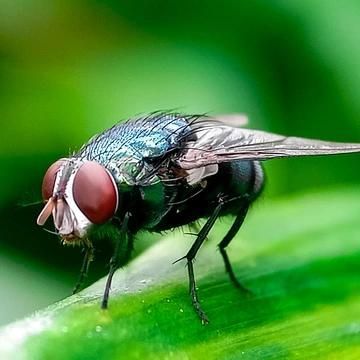
The New World screwworm fly is a growing animal health concern as cases move north through Central America and Mexico and detections emerge in the United States. Although most pets in the U.S. currently face a low risk, understanding this parasite is important, particularly for families traveling with pets or living in areas where cases have been identified.
For pet parents, knowing what to look for can make a significant difference. New World screwworm infestations can cause rapidly worsening wounds, significant pain, and serious tissue damage if left untreated.
Here is what you should know about the New World screwworm, how it affects dogs and cats, and how to protect your pet.
What Is the New World Screwworm Fly?
The New World screwworm (Cochliomyia hominivorax) is a parasitic fly that affects warm-blooded animals, including dogs, cats, livestock, wildlife, and, occasionally, humans.
Unlike ordinary flies that lay eggs on decaying organic material, female New World screwworm flies lay their eggs in open wounds or on moist body tissues, including the nose, ears, eyes, and mouth.
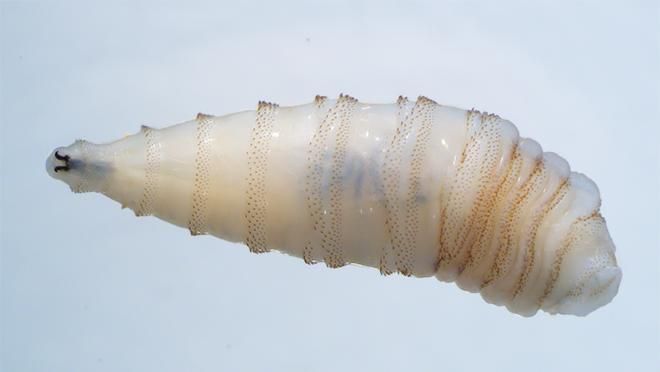
When the eggs hatch, the larvae, commonly called maggots, burrow into living tissue and feed on the animal's flesh. This condition is called myiasis.
As the larvae grow, they can cause wounds to become deeper and larger, resulting in severe inflammation, tissue destruction, secondary infections, and potentially life- threatening complications.
Why is it called a screwworm?
The name comes from the way the larvae burrow into living tissue in a screw-like motion, using their ridged bodies and mouth hooks to penetrate the wound. Unlike many other fly larvae, New World screwworm larvae specifically depend on living tissue to complete their development.
Why Is New World Screwworm Making Headlines?
New World screwworm was previously eradicated from the United States through an extensive control program that used sterile male flies to prevent reproduction.
However, the parasite has been spreading northward through South America, Central America, and Mexico since 2023, raising concerns about its potential return to the United States.
In June 2026, the USDA confirmed the first animal cases in the current U.S. outbreak. Subsequent detections have included Texas and New Mexico.
On October 28, 2026, a dog in Cochise County, Arizona, near the Mexican border, was confirmed to have a New World screwworm infestation. This was the first confirmed case in Arizona and brought the number of U.S. states with reported animal detections to three.
Source: USDA, CDC and Reuters reporting, October 2026.
Does This Mean Pets in Southern California Are at Risk?
The spread of New World screwworm is something pet owners should be aware of, but it is important to distinguish between a developing regional threat and an immediate local risk.
As of September 16, 2026, the California Department of Public Health reported no known New World screwworm infestations in people or animals in California and described the immediate risk as low.
The risk can change as surveillance and detections develop. Pets traveling across the border, visiting affected areas, or coming into contact with infested animals may face a greater risk than pets that remain in areas without known cases.
For Southern California pet parents, the best approach is awareness, routine wound checks, and prompt veterinary attention for suspicious wounds.
How Does a Pet Get New World Screwworm?
New World screwworm infestations begin when a female fly lays eggs on an open wound or moist body tissue.
Importantly, the wound does not need to be large. Even a small scratch, insect bite, tick bite, or recent surgical incision can attract the flies.
Common entry points include:
- Open cuts, scratches, and skin wounds.
- Tick and insect bites.
- Surgical incisions or healing wounds.
- Injuries around the ears, eyes, nose, and mouth.
- Wounds around the genital area.
- Umbilical areas in newborn animals.
Once the eggs hatch, the larvae enter the wound and begin feeding on living tissue.
Understanding the Screwworm Life Cycle
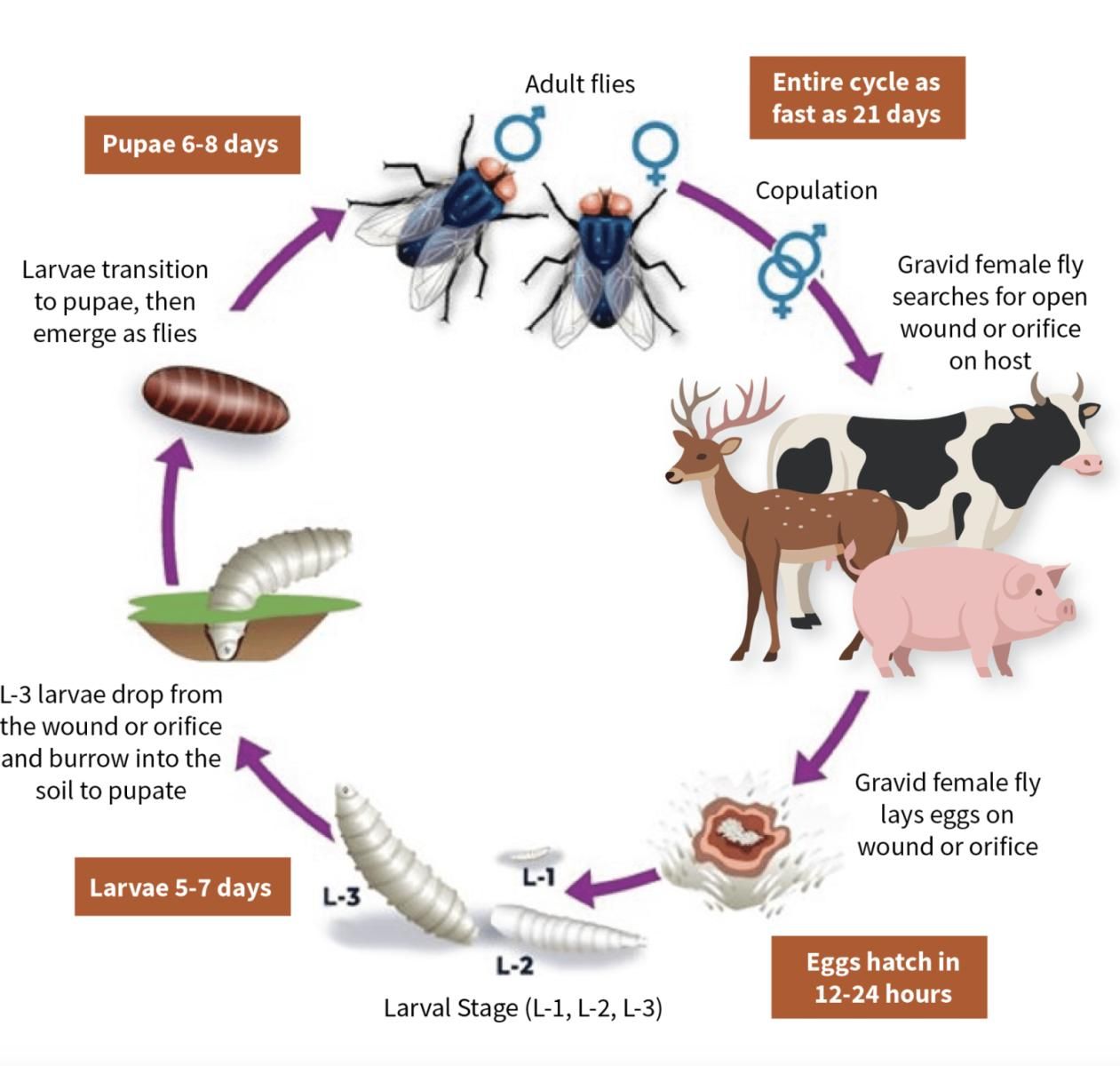
- Eggs are laid: Female flies deposit clusters of eggs on or near an open wound or body opening.
- Larvae hatch: Eggs typically hatch within approximately 12 to 24 hours.
- Larvae feed on living tissue: The larvae burrow into the wound and feed for approximately seven days.
- Larvae leave the animal: Mature larvae drop to the ground and burrow into the soil.
- Adult flies emerge: They develop into adult flies, with emergence from the soil taking approximately 7 to 54 days depending on environmental conditions.
A single female fly can lay 200 to 300 eggs at a time and may lay up to 3,000 eggs during her lifespan.
This reproductive capacity is one reason early detection and reporting are so important.
The life cycle helps explain why an infestation can progress quickly.
Symptoms of New World Screwworm in Dogs and Cats
One of the biggest concerns with New World screwworm is how quickly an affected wound can deteriorate.
Pet parents should pay close attention to wounds that appear to be getting worse instead of healing.
Potential warning signs include:
- Visible maggots: Small larvae may be visible moving inside or around an open wound.
- Worsening wounds: An injury may become deeper, larger, or more inflamed over a short period.
- Unusual odor: Infested wounds may develop a strong, unpleasant smell.
- Bloody discharge: Wounds may produce bloody fluid or pus.
- Excessive licking or scratching: Pets may repeatedly lick, bite, or scratch an affected area.
- Head shaking: Irritation involving the ears may cause repeated head shaking or rubbing.
- Pain or sensitivity: Your pet may become uncomfortable when touched or may avoid contact.
- Changes in behavior: Lethargy, irritability, hiding, or reduced appetite may develop.
Not every wound containing maggots is caused by New World screwworm. Other fly species can also cause myiasis. However, because New World screwworm can cause significant damage, suspicious infestations should always be evaluated promptly.
Seek veterinary attention promptly
If you notice moving larvae in a wound, a rapidly worsening injury, or a foul-smelling sore, do not wait to see whether it improves on its own.
Can New World Screwworm Affect Indoor Pets?
Yes. Although pets that spend more time outdoors may have greater exposure to flies, indoor pets are not completely protected.
Flies can enter homes through open doors, windows, and other openings. Indoor pets may also develop small wounds from scratching, insect bites, or other injuries.
Pets with recent surgical procedures, healing wounds, skin irritation, or injuries around the face and ears deserve particular attention.
Keeping your pet indoors when possible, using appropriate fly prevention measures, and checking for injuries can help reduce exposure.
How Is New World Screwworm Diagnosed?
A veterinarian will evaluate the wound, look for signs of larvae or eggs, and consider the animal's travel history and possible exposure to affected areas.
Diagnosis may involve:
- A thorough physical examination. Careful inspection of wounds and surrounding tissue.
- Collection and identification of larvae or eggs.
- Laboratory testing when necessary.
- Assessment for secondary bacterial infections and tissue damage.
Because other fly species can also cause infestations, identifying the larvae is important. Veterinarians and animal health authorities may work together to confirm suspected New World screwworm cases.
A suspicious infestation should not be dismissed simply because the pet has no known travel history.
How Is New World Screwworm Treated?
New World screwworm requires prompt veterinary treatment. The primary goal is to eliminate the larvae, clean and manage the affected wound, and prevent further tissue damage or complications.
Depending on the severity of the infestation, treatment may include:
- Physical removal of larvae - A veterinary professional must remove the larvae from the affected tissue. This may require careful examination, wound cleaning, and, in more severe cases, surgical removal.
- Medication to eliminate remaining larvae - Veterinarians may use appropriate antiparasitic medications to help eliminate remaining larvae. In June 2026, the FDA issued an Emergency Use Authorization for generic nitenpyram tablets for treating New World screwworm infestations in eligible dogs and cats. In September 2026, the authorization was expanded to include prevention. The medication has specific age and weight requirements, and it does not replace the need for veterinary wound care or removal of remaining larvae. Pet owners should not attempt to select or administer medication without veterinary guidance.
- Wound care and infection management - After the larvae have been removed, the affected area needs appropriate cleaning and ongoing wound management. Veterinarians may also prescribe additional treatment for secondary bacterial infections, pain, and inflammation.
- Follow-up examinations - Follow-up is important to ensure that all larvae have been eliminated and that the wound is healing properly. Veterinary guidance recommends reexamining affected areas within 24 to 48 hours after treatment. Early treatment can make a significant difference in preventing further tissue damage and serious complications.
How Can Pet Parents Help Prevent New World Screwworm?
While there is no way to guarantee that a pet will never encounter an infected fly, there are practical steps you can take to reduce exposure.
- Check your pet regularly: Look for scratches, bites, open sores, and injuries, especially around the face, ears, paws, and genital area.
- Address wounds promptly: Have cuts, scratches, and other injuries evaluated and treated rather than leaving them exposed.
- Keep healing wounds protected: Follow your veterinarian's instructions for wound care and consider limiting outdoor exposure while an injury heals.
- Use appropriate parasite prevention: Maintain your pet's recommended flea and tick prevention routine. These products do not necessarily protect against screwworm, but controlling parasites can help reduce skin injuries and irritation.
- Limit fly exposure: Use appropriate screens, keep doors and windows secured, and avoid leaving pets with open wounds outdoors for extended periods.
- Be mindful when traveling: Research animal health alerts before traveling with your pet, particularly to regions where New World screwworm has been detected.
- Monitor changes: Pay attention to wounds that become larger, develop an unusual odor, bleed, or appear increasingly painful.
If your pet has a suspicious wound or visible larvae, contact a veterinarian immediately. Do not attempt to treat a suspected infestation with household insecticides, chemicals, or unapproved medications.
Can New World Screwworm Spread Between Pets or to People?
New World screwworm is not typically transmitted through direct contact between animals.
Instead, infestations occur when an adult female fly lays eggs on an animal's wound or body opening. This means an infested pet does not automatically infect another pet simply by being nearby.
However, an infestation is important to report because the presence of screwworm larvae can indicate that adult flies are present in the surrounding environment.
New World screwworm can also affect humans. People with open wounds who live in or travel to affected areas may be exposed to the same flies.
If you discover a suspected infestation in your pet:
- Avoid handling larvae with bare hands.
- Keep other animals away from the affected wound.
- Contact your veterinarian and follow their instructions.
- Follow veterinary and animal health authority guidance regarding reporting and containment.
If you believe you have been exposed or have larvae in a wound, seek medical attention promptly.
What Should You Do If You Suspect New World Screwworm in Your Pet?
If you notice larvae, an unusually worsening wound, or other suspicious symptoms, contact your veterinarian immediately.
Do not wait for the wound to become more severe. New World screwworm can cause extensive tissue damage in a relatively short period.
Veterinarians can evaluate the wound, determine whether additional testing is necessary, and coordinate with state and federal animal health authorities if screwworm is suspected.
Suspected animal cases should be reported promptly to the appropriate State Animal Health Official and USDA APHIS. This helps authorities monitor potential spread and respond to new detections.
For the latest information on confirmed cases, regional restrictions, and reporting instructions, visit USDA New World Screwworm Updates.
Frequently Asked Questions About New World Screwworm
Can dogs and cats get New World screwworm?
Yes. Both dogs and cats can become infested. The flies are attracted to open wounds and certain body openings, and even small injuries can provide an entry point for the eggs.
Is New World screwworm the same as regular maggots?
No. Although both are fly larvae, New World screwworm larvae feed on living tissue. Many other fly larvae primarily feed on dead or decaying organic material. This distinction makes New World screwworm particularly dangerous.
Can New World screwworm kill a dog or cat?
Yes. Severe, untreated infestations can cause extensive tissue destruction, secondary infections, and potentially death. Prompt veterinary treatment is essential.
Are pets in Southern California at risk?
As of September 2026, California health officials had reported no known local infestations in people or animals. However, the outbreak continues to be monitored, and the situation can change. Pets traveling to affected regions or exposed to infested animals may face greater risk.
Is there medication to prevent New World screwworm?
Yes. In September 2026, the FDA expanded its Emergency Use Authorization for generic nitenpyram tablets to include prevention as well as treatment in eligible dogs and cats. However, eligibility, administration, and appropriate use should be discussed with a veterinarian. The medication is not a substitute for wound checks or other preventive measures.
How VetCheck Animal Hospital and Mobile Can Help
At VetCheck Animal Hospital & Mobile, we believe informed pet parents are better equipped to protect their pets' health.
Whether you have concerns about an unusual wound, notice changes in your pet's behavior, or simply want to understand potential health risks, our team is here to help.
We partner with pet parents through thorough examinations, diagnostic evaluations, and clear communication so you understand what may be affecting your pet and what steps to take next.
If you notice a suspicious wound or signs of a possible infestation, don't wait for symptoms to worsen. Seek veterinary attention promptly.
Concerned about your pet's health? Contact VetCheck Animal Hospital & Mobile to discuss your concerns and schedule an appointment.
Sources and further reading
- CDC: About New World Screwworm – Overview of the parasite, transmission, symptoms, and prevention.
- CDC: Clinical Overview of New World Screwworm – Clinical signs, diagnosis, treatment, and public health guidance.
- USDA APHIS: Current New World Screwworm Status – Current outbreak information and confirmed detections.
- FDA: Animal Veterinary Resources – Regulatory information about authorized veterinary medications, including nitenpyram emergency use.
- American Veterinary Medical Association: New World Screwworm – Veterinary information and recommendations for animal owners.
- California Department of Public Health – California-specific public health updates and regional risk information.